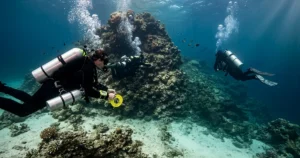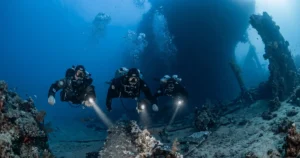
Fujairah is renowned for its stunning landscapes, rich history, and vibrant culture, but for divers, it’s the underwater world that really captivates, with clear blue water, diverse marine life and no shortage of sites worth exploring. None of that matters if diving safety Fujairah isn’t the top priority. Whether you’re a seasoned diver or a novice eager to explore the depths, here’s what to know before you get in the water.
Most of what follows applies to diving anywhere, but a few of these points matter more here specifically. Diving Safety Fujairah sites range from a shallow, sheltered 4 meters at Dibba Rock to 30 meters at the Inchcape wrecks, so matching your certification to the right site (covered in the table below) does more for your safety than almost anything else on this list. The same goes for water conditions, visibility and current both shift with the season, so the planning tip below isn’t just boilerplate advice here, it’s the difference between a good dive and a stressful one.
1. Dive with Certified Operators
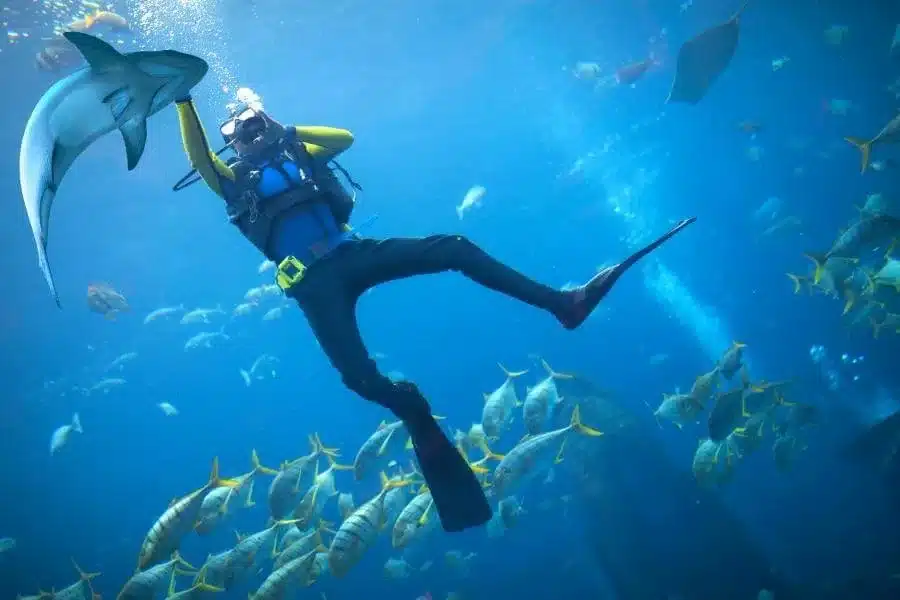
Choose an operator recognized by an international diving organization, certified operators follow strict safety standards and have the experience needed to keep you safe underwater. That trust factor is exactly what first-time divers say makes the biggest difference:
“Super friendly and competent team. We had a blast. Shout out to Hassan who guided us first timers admirably and calmed our nerves. We will come back!” — Viktor B, TripAdvisor
2. Complete a Dive Certification Course
Beginners should take a proper certification course covering equipment use, underwater navigation and emergency procedures. Agencies like PADI offer courses for every level, from first-timers to advanced divers.
3. Plan Your Dives Wisely
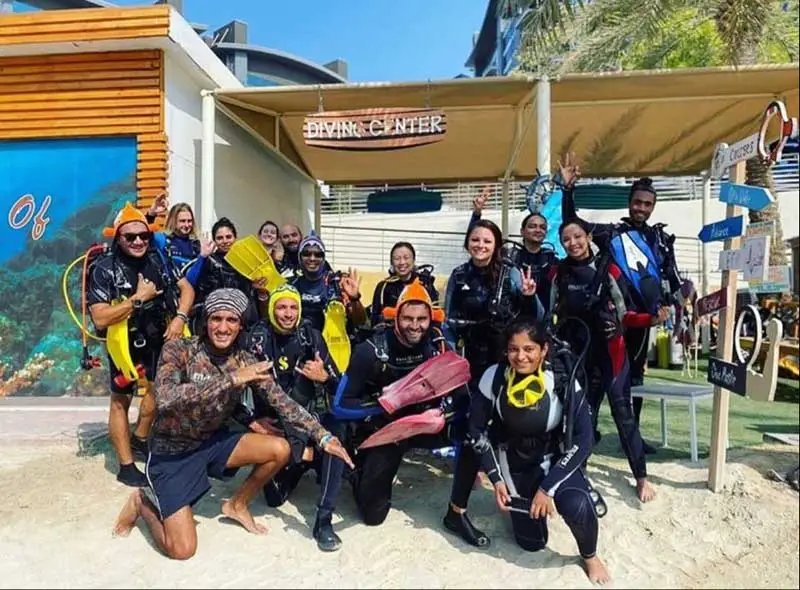
Know the site before you get in, depths, currents, and potential hazards, and always dive within your training and experience level. Factor in weather and visibility when choosing where to dive.
4. Buddy System
Always dive with a buddy. Maintain visual and physical contact throughout the dive, and agree on hand signals before you descend.
5. Regular Equipment Checks
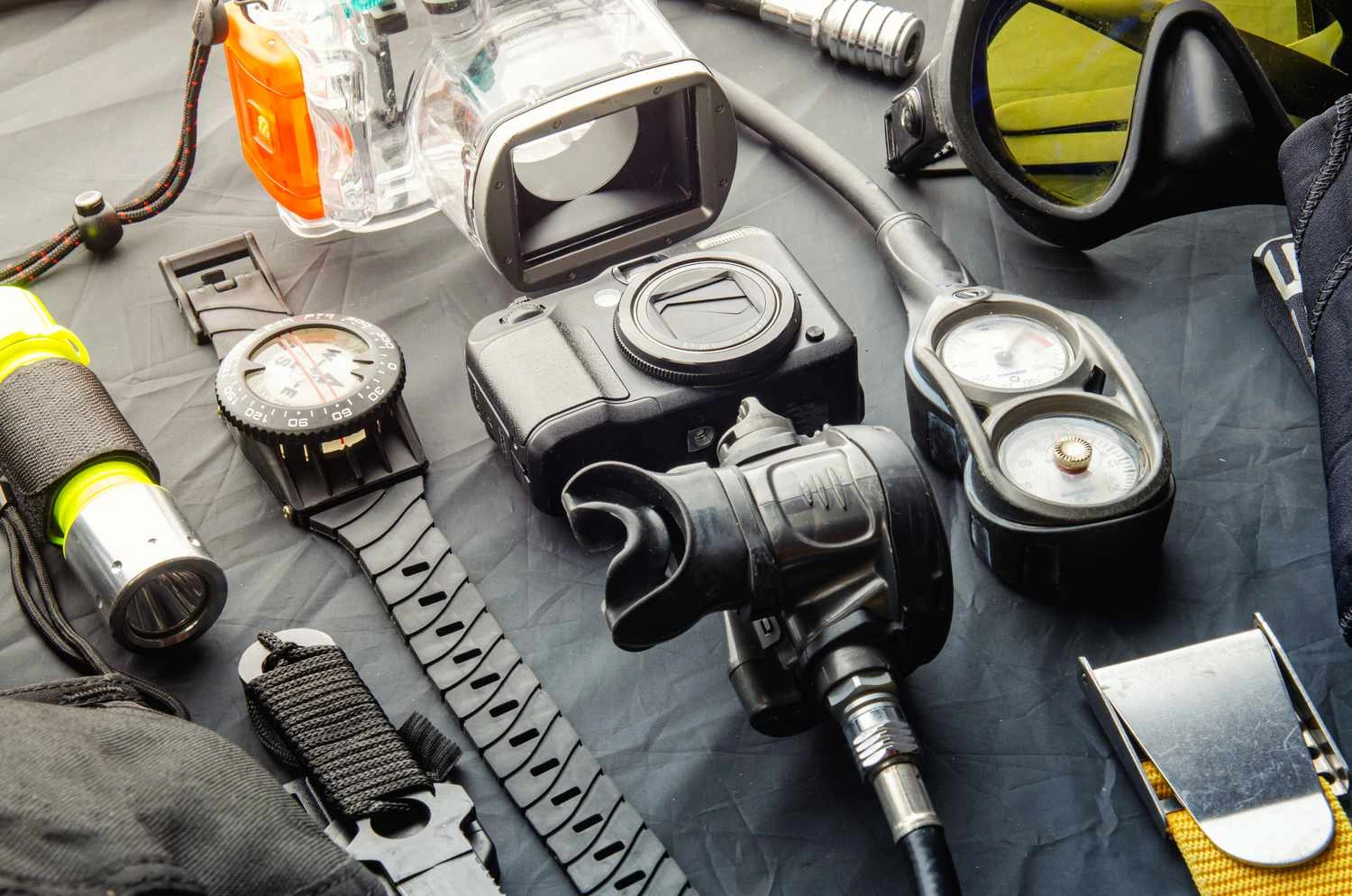
Inspect and maintain your gear regularly, and have it serviced professionally when needed, pay particular attention to your regulator, BCD and dive computer.
6. Monitor Your Air Supply
Watch your pressure gauge, agree on a turnaround point with your buddy in advance, and always surface with a safe air reserve.
7. Equalize Your Ears
Use the Valsalva maneuver or the Frenzel technique to equalize pressure as you descend, to avoid barotrauma and discomfort.
8. Respect Marine Life
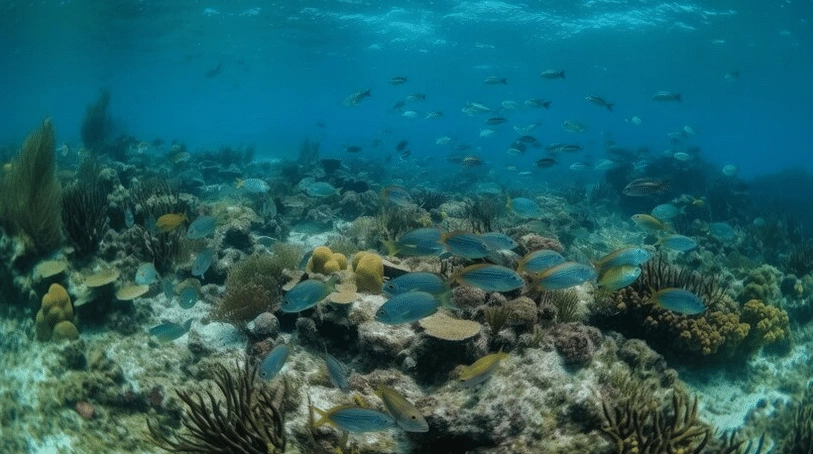
Keep a respectful distance from everything you encounter, never touch or disturb it, and avoid sudden movements that could startle it.
9. Be Mindful of Your Health
Avoid excessive alcohol the night before a dive, stay hydrated, and get proper rest. If you’re feeling unwell or have a medical condition, check with a dive doctor before diving.
10. Emergency Preparedness
Carry a signaling device, a surface marker buoy and a first-aid kit, and know how to respond if your buddy is in distress or you need to call for assistance.
Matching Your Certification to the Right Site
Safety starts before you even get in the water, picking a site that matches your actual certification level is one of the simplest ways to keep a dive well within your training.
| Certification Level | Recommended Fujairah Sites | Why |
| Open Water Diver | Dibba Rock, Sharm Rock | Shallow depth ranges (4–16m and 3–15m), gentle conditions, well-suited to newer divers |
| Advanced Open Water | Martini Rock, Hole in the Wall, Shark Island | Deeper ranges (10–25m) and structure that rewards more experience |
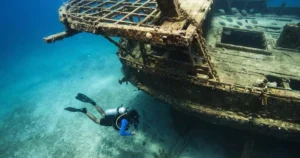
| Wreck Diver specialty | Inchcape 1, 2 and 10 | Overhead-environment training recommended for interior penetration at any wreck site |
Frequently Asked Questions
What should I do if I have ear or sinus trouble while descending?
Stop your descent, signal your buddy or instructor, and ascend slightly until the discomfort clears before continuing down slowly. Never push through ear pain, it’s one of the most common preventable diving injuries, and equalizing gently and often (rather than forcefully) is the best way to avoid it in the first place.
Do I need a certification to dive in Fujairah?
Yes, a recognized certification such as PADI Open Water is required before diving independently. If you’re not yet certified, PADI Open Water Course Fujairah: Complete Certification Guide covers what the course involves and how long it takes.
What’s the most important safety rule for new divers?
Always dive with a buddy and stay within your training level. Most diving incidents trace back to divers exceeding their certification or diving conditions they weren’t prepared for, not equipment failure.
Do I need a medical check before diving in the UAE?
If you have any pre-existing medical condition, feel unwell, or haven’t dived recently, consult a dive doctor before booking.
What should I check on my equipment before every dive?
At minimum, your regulator, BCD and dive computer, plus tank pressure. Rental equipment should be checked with the same care as your own gear before entering the water.
Is Fujairah safe for beginner divers?
Yes, sites like Dibba Rock and Royal Beach offer calm, shallow conditions specifically suited to new divers, provided you dive with a certified operator and stay within your training level.
Diving in Fujairah offers some of the most rewarding underwater moments in the UAE, preparation, knowledge and respect for the ocean are what keep it that way. For the full range of sites and how to plan your trip, start with Diving in Fujairah: The Complete Guide.