For many people, scuba diving begins with curiosity. Maybe you watched a documentary about coral reefs, saw underwater videos on social media, or listened to a friend describe the feeling of breathing underwater for the first time. Whatever sparked your interest, the idea of entering an entirely different world beneath the surface can feel both exciting and intimidating at the same time.
The good news is that beginner diving programs are specifically designed to make first-time divers feel safe, comfortable, and confident. You do not need to be an athlete, an expert swimmer, or an experienced adventurer to begin. Modern diving schools guide students step-by-step through the entire learning process, helping them build skills gradually in a controlled environment.
Today, more people than ever are starting their underwater journey through professional PADI courses, which are recognized internationally and trusted by dive centers around the world.
If you have ever wondered what your very first scuba experience will actually feel like, this guide will walk you through everything you can expect in a beginner diving course , from the first classroom session to your first real underwater adventure.
Why So Many Beginners Choose Scuba Diving

Scuba diving offers something very few activities can match. The moment you descend beneath the surface, the world changes completely.
Everything becomes quieter.
Movement becomes slower.
Breathing becomes calmer.
Instead of walking, you float weightlessly through the water while exploring an environment most people only see in movies or photographs.
For beginners, scuba diving often feels surprisingly peaceful rather than extreme.
This is one reason why so many people choose to start their underwater journey through professional Professional Association of Diving Instructors diving programs. The structured learning process helps remove fear while making the experience enjoyable from the very beginning.
What Is a Beginner Scuba Diving Course?
A beginner scuba course teaches students the essential skills needed to dive safely underwater using scuba equipment.
Most entry-level programs focus on:
- Basic dive theory
- Equipment usage
- Breathing underwater
- Buoyancy control
- Safety procedures
- Underwater communication
- Emergency skills
The most recognized beginner certification worldwide is the Professional Association of Diving Instructors Open Water Diver program.
Completing your PADI open water certification allows you to dive independently with a buddy almost anywhere in the world.
For many divers, this certification becomes the first step toward a lifelong passion for underwater exploration.
Your First Day: Orientation and Introduction
Your first scuba experience usually begins outside the water.
Most instructors start with a relaxed orientation session where students:
- Meet their instructor
- Learn course schedules
- Review equipment
- Discuss safety guidelines
- Understand basic diving concepts
This first session is designed to reduce nervousness and answer beginner questions.
Many students arrive worried about:
- Breathing underwater
- Ear pressure
- Equipment complexity
- Swimming ability
- Panic underwater
Professional instructors understand these concerns and explain everything carefully before anyone enters the water.
A good beginner course never rushes students.
Understanding Scuba Equipment

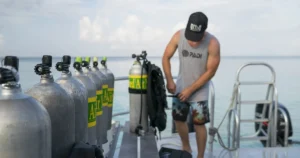
One of the most exciting parts of your first diving lesson is learning about scuba equipment.
At first glance, scuba gear can look complicated. However, beginners quickly realize that the equipment is designed to make underwater breathing surprisingly comfortable and safe.
Your instructor will explain:
- The scuba tank
- Regulator system
- Buoyancy control device (BCD)
- Mask and fins
- Pressure gauges
- Safety equipment
Students also learn how each piece of equipment works together underwater.
Most people are surprised by how quickly they become comfortable using scuba gear during professional Professional Association of Diving Instructors classes.
The First Pool Session
After the classroom introduction, students usually begin practicing in a pool or confined water environment.
This is where the real excitement begins.
Your instructor will guide you through:
- Breathing underwater for the first time
- Clearing water from your mask
- Recovering your regulator
- Basic buoyancy control
- Underwater hand signals
The first underwater breath is unforgettable for most beginners.
Initially, it feels unusual. Then suddenly, your brain realizes something incredible is happening , you are calmly breathing beneath the surface.
Many students say this moment completely changes how they think about water.
Learning Buoyancy Control
Buoyancy control is one of the most important skills in scuba diving.
Instead of sinking or floating uncontrollably, divers learn how to remain neutrally buoyant underwater.
This means:
- Hovering comfortably
- Moving smoothly
- Conserving energy
- Protecting marine environments
At first, buoyancy may feel challenging because your body is adjusting to completely new sensations.
However, instructors help students practice gradually until movement underwater begins feeling natural.
Mastering buoyancy is one of the most satisfying parts of beginner scuba training.
Building Confidence Underwater
Confidence develops step-by-step during your course.
Professional Professional Association of Diving Instructors courses are carefully structured to help students progress comfortably rather than feel overwhelmed.
Instructors focus on:
- Repetition
- Calm communication
- Controlled environments
- Slow progression
- Positive reinforcement
As students practice more underwater skills, nervousness usually disappears quickly.
By the end of the confined water sessions, most beginners already feel significantly more relaxed underwater.
The Theory Portion of the Course
Scuba diving is not only physical , it also involves understanding important safety principles.
Students complete theory lessons covering:
- Pressure and depth
- Air consumption
- Dive planning
- Safety procedures
- Equalization
- Underwater environments
- Equipment care
Modern PADI courses often include digital learning materials that students can study online at their own pace.
The theory section is designed to make divers knowledgeable and responsible underwater explorers.
Your First Open Water Dive
After pool training, students move to open water dives.
For many beginners, this becomes the most exciting part of the entire experience.
Unlike the pool environment, open water introduces:
- Natural underwater scenery
- Marine life
- Real diving conditions
- Greater depth
- Exploration opportunities
Your instructor remains close throughout the dive while helping you apply the skills learned during training.
The first descent into open water often feels surreal.
Sunlight filters through the water while fish move quietly around you. The underwater world suddenly becomes real in a way videos and photos can never fully capture.
This is usually the moment when students truly fall in love with diving.
Common Beginner Fears, And Why They Usually Disappear

Almost every beginner arrives with some level of nervousness.
Common concerns include:
- Fear of breathing underwater
- Fear of deep water
- Worry about panic
- Fear of equipment failure
- Anxiety about marine life
Professional instructors are trained specifically to help beginners overcome these fears gradually.
Most students quickly discover:
- Breathing underwater feels natural
- Scuba equipment is reliable
- Diving is slower and calmer than expected
- Marine life is generally peaceful
- Confidence improves rapidly with practice
The supportive environment of beginner Professional Association of Diving Instructors diving programs helps make the learning process enjoyable rather than stressful.
What Happens After Certification?
Completing your PADI open water certification opens the door to diving around the world.
Your certification allows you to:
- Dive recreationally
- Join guided dives
- Rent scuba equipment
- Travel to dive destinations globally
Many divers immediately begin planning trips after earning their certification.
Popular beginner-friendly dive destinations include:
- Maldives
- Egypt
- Thailand
- Indonesia
- Philippines
- Dubai
For many people, scuba diving quickly becomes more than just a hobby , it becomes a lifestyle.
Continuing Your Diving Education
After earning your beginner certification, many divers continue advancing their skills through additional training.
Popular next steps include:
- Advanced Open Water
- Rescue Diver
- Nitrox certification
- Deep diving
- Underwater photography
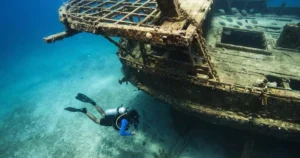
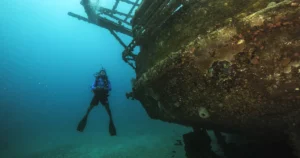
- Wreck diving
- Night diving
One particularly exciting specialty is the PADI deep diver course, which teaches divers how to safely explore deeper underwater environments.
Advanced training allows divers to experience entirely new types of underwater adventures.
Why Dubai Is Becoming a Major Diving Destination
Dubai has become increasingly popular for beginner and advanced scuba training.
The city offers:
- Modern facilities
- Warm water
- Professional instructors
- Controlled training environments
- Luxury diving experiences
Many new divers specifically search for a PADI course Dubai because the city combines world-class training with premium hospitality.
Dubai’s investment in underwater recreation has helped make scuba diving more accessible to residents and tourists alike.
Understanding the Difference Between Certification and a License
Many beginners use the terms “certification” and “license” interchangeably.
Technically, divers earn a certification rather than a government-issued license.
However, phrases like:
- PADI license
- PADI open water license
are still commonly used online because people naturally search for them that way.
Your certification card proves that you completed professional training and can safely participate in recreational diving activities.
Physical Requirements for Beginner Divers
Many people assume scuba diving requires extreme fitness.
In reality, beginner courses are designed for average individuals with normal physical health.
Students generally need:
- Basic swimming ability
- Comfort in water
- Reasonable physical condition
- Medical clearance if necessary
Diving is more about relaxation and breathing control than athletic strength.
Calmness and patience matter far more than physical power underwater.
The Mental Side of Scuba Diving
One reason diving becomes addictive for many people is the mental experience it creates.
Underwater, daily distractions disappear.
Divers focus entirely on:
- Breathing
- Movement
- Surroundings
- Awareness
This creates a calming effect similar to meditation for many people.
The underwater environment encourages mindfulness naturally.
Some divers even describe scuba diving as therapy because of how peaceful it feels beneath the surface.
The Social Side of Diving
Scuba diving also introduces people to a global community.
Divers often form strong friendships through:
- Group dives
- Dive trips
- Certification courses
- Underwater adventures
Because diving requires teamwork and communication, many students quickly bond with fellow divers during training.
The social aspect becomes one of the most rewarding parts of continuing beyond beginner-level diving.
What to Bring to Your First Diving Course
Most beginner programs provide all major scuba equipment.
Students usually only need:
- Swimwear
- Towel
- Water bottle
- Comfortable clothing
- Positive attitude
Some divers eventually purchase personal gear like:
- Masks
- Fins
- Dive computers
But beginners do not need to invest heavily before trying scuba for the first time.
Why Professional Instruction Matters
Learning through certified instructors is essential for both safety and enjoyment.
Professional instructors help students:
- Build confidence gradually
- Develop correct habits
- Understand safety procedures
- Stay calm underwater
- Progress comfortably
This structured approach is one reason why internationally recognized PADI certification programs are trusted worldwide.
Night Diving and Future Adventures
After gaining experience, many divers become interested in specialty adventures like:
- Wreck diving
- Cave diving
- Drift diving
- Underwater photography
- Night diving
Night diving especially offers a completely different underwater atmosphere.
Marine life changes after sunset, and underwater lights create dramatic visual experiences unlike daytime dives.
The possibilities continue expanding as divers gain more confidence and training.
The Moment Everything Changes
Most beginner divers remember a very specific moment from their first course.
Sometimes it happens during the first underwater breath.
Sometimes during the first open water descent.
Sometimes while hovering weightlessly for the first time.
At some point, nervousness disappears and excitement takes over.
Suddenly, scuba diving no longer feels intimidating.
It feels natural.
And for many people, that moment becomes the beginning of countless underwater adventures around the world.
Why So Many People Never Stop Diving
Scuba diving offers endless opportunities for exploration.
No two dives are exactly alike.
Different destinations provide:
- Coral reefs
- Shipwrecks
- Marine wildlife
- Underwater caves
- Deep walls
- Artificial reefs
As divers continue learning, their confidence and curiosity grow together.
This constant sense of discovery is one reason why people continue diving for years after their first certification.
Your first scuba experience is far more than just learning how to breathe underwater. It is the beginning of a completely new way of exploring the world.
From your first pool session to your first open water dive, beginner scuba courses are designed to help you feel safe, confident, and excited every step of the way.
Professional PADI courses provide the structure, safety, and international recognition needed to begin your underwater journey properly. Whether you are interested in recreational diving, advanced specialties, or simply trying something new, scuba diving opens the door to experiences few activities can match.
The underwater world may seem mysterious from the surface.
But once you take that first breath below the water, it starts feeling like a place you were always meant to explore.