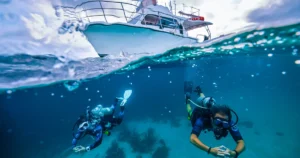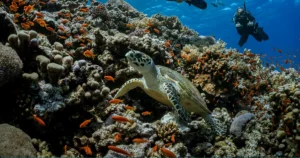
Scuba diving has become one of the fastest-growing adventure activities worldwide. Whether you dream of swimming alongside sea turtles, exploring colorful coral reefs, or discovering mysterious wrecks, the first step is always the same: getting certified. The PADI Open Water Diving course—or its equivalent with another training agency—is the gateway to becoming an independent diver.
But when researching where and how to take your course, one big question comes up again and again: Should I pay more for my open water course, or just choose the cheapest option?
In this article, we’ll look at what drives the open water course price, compare different open water course rates globally, and evaluate why investing in a premium program—like the open water course in Dubai—can be worth every dirham or dollar.
What Is the Open Water Course?

Before breaking down the price debate, let’s quickly define the course itself.
The Open Water course—most commonly the PADI Open Water Diving certification—is an entry-level training program that equips you with the skills, knowledge, and confidence to dive safely up to 18 meters (60 feet) with a buddy.
The training includes:
- Knowledge Development – Theory lessons online or in the classroom, covering safety, dive planning, and equipment use.
- Confined Water Sessions – Practicing essential skills in a pool or shallow water.
- Open Water Dives – Usually four dives in the ocean, applying what you learned under instructor supervision.
Completion typically takes 3–4 days, though flexible schedules are available in many destinations. Once certified, you can dive anywhere in the world for life.
The Range of Open Water Course Price in 2025
In 2025, the open water course price varies widely depending on where you train:
| Region | Average Price (USD) | Notes |
| Southeast Asia (Thailand, Philippines, Indonesia) | $350–500 | Budget-friendly, high competition |
| Egypt & Red Sea | $400–550 | Rich reefs, reasonable pricing |
| Europe (Spain, Greece, Malta) | $500–700 | Seasonal, higher costs |
| Australia (Great Barrier Reef) | $550–900 | Premium destination, liveaboard options |
| USA & Caribbean | $500–800 | Strong infrastructure, pricier extras |
| Dubai, UAE | $410–680 (AED 1,500–2,500) | Premium city diving with high standards |
From the table, it’s clear that a water open diving course Dubai is not the cheapest option. But the slightly higher open water course rates come with distinct advantages that can make the investment worthwhile.
Why Are Some Open Water Courses Cheaper?
Budget courses often cut costs in ways that may impact the learning experience. Cheaper programs might involve:
- Larger groups – One instructor managing 6–8 students instead of 2–4.
- Older equipment – Rental gear that may not be as well-maintained.
- Less personalized attention – A faster pace with less time to practice each skill.
- Additional hidden fees – eLearning access, certification fees, or boat trips not included in the base price.
- Limited facilities – Training in crowded or less comfortable environments.
While a budget-friendly course still gets you certified, you might feel rushed, less confident, or end up spending more overall when extras are added on.
Why Paying More Can Be Worth It
Choosing a premium PADI Open Water Diving course isn’t about spending money for the sake of it. It’s about ensuring quality, safety, and a better overall experience. Here are key reasons why paying more often makes sense:
1. Safety First
Scuba diving is fun, but it comes with risks if not done properly. A higher open water course price usually means:
- Smaller instructor-to-student ratios.
- More thorough safety briefings.
- Better-maintained equipment.
- Access to emergency oxygen kits and insurance coverage.
2. Quality of Instruction
With smaller groups and experienced instructors, you’ll receive personalized feedback and extra practice time. This builds real confidence underwater, rather than just scraping by to pass requirements.
3. Equipment Quality
Premium dive centers invest in newer wetsuits, reliable regulators, and dive computers. Comfortable, safe gear makes your training smoother and more enjoyable.
4. Learning Environment
Luxury dive centers often provide clean classrooms, private pools, or convenient training facilities. For example, the open water course in Dubai often takes place in world-class facilities with easy access to both confined and open water environments.
5. Long-Term Value
Think of it as an investment. Spending a bit more upfront ensures you gain solid skills that will last a lifetime. A shaky start in a budget course may lead to costly refresher courses or even lost confidence in diving altogether.
Open Water Course in Dubai: A Case Study
Let’s look closer at what sets the water open diving course Dubai apart.
Price Range
In 2025, expect to pay AED 1,500–2,500 ($410–680) depending on the package.
What’s Included
- PADI eLearning or manuals.
- Full equipment rental (mask, fins, BCD, regulator, wetsuit, tank, weights).
- Confined water sessions in high-quality pools.
- Four open water dives in the Arabian Gulf.
- PADI certification processing.
- Experienced, multilingual instructors.
What You Get Extra
- Smaller class sizes (often 2–4 students per instructor).
- Flexible scheduling (weekday, weekend, or split over two weeks).
- Premium customer service (pick-ups, comfortable facilities, refreshments).
Dubai’s dive sites may not rival the coral gardens of Asia, but for beginners, the calm and safe conditions are ideal. Once certified, you can easily travel to the Maldives, Egypt, or Southeast Asia for more exotic dives.
Comparing Open Water Course Rates: Budget vs. Premium
Here’s a side-by-side look at what you get for different open water course rates:
| Feature | Budget ($350–450) | Premium ($550–700) |
| Group Size | 6–8 students | 2–4 students |
| Equipment | Older, basic gear | Newer, well-maintained gear |
| Instructor Attention | Limited | Personalized |
| Safety Measures | Basic | Comprehensive |
| Facilities | Simple | Modern, comfortable |
| Extras Included | Often not | Usually bundled |
The Role of PADI Open Water Diving

When considering open water course rates, the agency also plays a role. PADI remains the most globally recognized, making it the safest bet if you plan to dive worldwide. While SSI, NAUI, or RAID certifications are also accepted, the PADI Open Water Diving course has the broadest recognition and strongest eLearning resources.
How to Decide If Paying More Is Worth It
Ask yourself these questions:
- Do you want smaller groups and more instructor attention?
- Are you nervous or want to feel extra confident before diving independently?
- Is safety and equipment quality a top priority?
- Do you prefer a comfortable, stress-free learning environment?
- Will you be diving frequently in the future?
If your answer is yes to most, then paying more for a higher-quality course is worth it.
Tips for Getting the Best Value
- Book early – Many centers offer discounts for advance bookings.
- Check inclusions – Make sure the course fee covers certification, eLearning, and equipment.
- Ask about class size – Smaller is better.
- Look for packages – Some centers bundle Open Water with Advanced Open Water at a reduced combined rate.
- Consider Dubai specials – Weekday rates or expat resident discounts sometimes apply.
FAQs
1. What is the average open water course price in 2025?
Globally, the open water course price ranges from $350 to $700 depending on the destination.
2. How much does the open water course in Dubai cost?
The open water course in Dubai costs AED 1,500–2,500 ($410–680), depending on the dive center and package.
3. Why are open water course rates different across regions?
Factors like living costs, equipment, instructor salaries, and competition affect open water course rates.
4. Is the water open diving course Dubai suitable for beginners?
Yes. Calm conditions, professional instructors, and modern facilities make Dubai an excellent place for beginners.
5. Is PADI Open Water Diving better than other certifications?
PADI is the most recognized worldwide, making it easier to dive internationally. However, other agencies offer similar quality training.
6. Do higher prices guarantee better training?
Not always, but higher prices usually reflect better safety, smaller groups, and higher-quality equipment.
7. What’s usually included in the course price?
Tuition, equipment rental, confined and open-water sessions, and certification fees are standard. Always confirm inclusions.
8. Can I spread out the course over weekends in Dubai?
Yes. Many centers offer flexible schedules to fit around work or travel.
9. Will my certification expire?
No. Your certification lasts a lifetime, though refresher courses are recommended after long breaks.
10. Is paying more for the open water course worth it?
Yes—if you value safety, personal attention, and a smoother learning experience.
Conclusion
When it comes to scuba diving training, the cheapest option isn’t always the best. While budget courses can get you certified, they may cut corners on equipment, safety, or instructor time. Paying more for a premium PADI Open Water Diving course ensures better instruction, safer equipment, and a more enjoyable experience—benefits that stay with you throughout your diving journey.
In destinations like Dubai, where the water open diving course Dubai combines professionalism, convenience, and luxury, the slightly higher open water course prices are worth the investment. After all, scuba diving isn’t just a hobby—it’s an adventure where safety and confidence matter most.
So, is paying more for your open water course price worth it? Absolutely. Consider it the first and most important investment in a lifetime of underwater adventures.