Scuba diving is one of the most exhilarating experiences on Earth, opening up a mysterious and vibrant underwater world to exploration. But with great adventure comes great responsibility. That’s why every open water diving course, whether it’s in your local training center or in a world-renowned diving hub like Dubai, starts with one top priority: safety.
The PADI Open Water Course, recognized globally as the gold standard in scuba diving instruction, includes thorough and practical training on safety protocols that can make the difference between a great dive and a life-threatening situation. These safety protocols are not just guidelines—they’re essential habits that divers carry with them on every descent, no matter how experienced they become.
In this article, we’ll explore the core safety principles taught in every open water scuba diving course, why they matter, and how they are tailored in locations like Dubai, where the diving scene is as dynamic as the sea life it offers.
Why Safety is Central to Every Open Water Diving Course
Before a diver even dips a fin in the water, safety is drilled into every part of the open water course. The underwater world, while beautiful, presents unique challenges that differ from land-based environments. From pressure changes to limited visibility, knowing how to handle potential hazards is vital.
The open water scuba diving course curriculum is carefully designed to build both confidence and competence. It covers everything from pre-dive checklists to emergency ascent techniques, ensuring that students emerge as certified divers who are not only skilled but safe.
1. Pre-Dive Safety Checks (BWRAF)

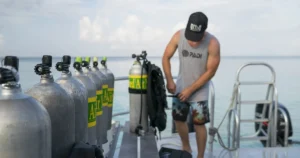
One of the first safety routines taught is the pre-dive safety check, known by the acronym BWRAF, which stands for:
- B: BCD (Buoyancy Control Device) – Ensure it inflates and deflates properly.
- W: Weights – Check that weights are secure and quick-release is functional.
- R: Releases – Verify that all clips, buckles, and fastenings are correctly positioned and secure.
- A: Air – Test your air supply. Breathe from your regulator and watch the pressure gauge.
- F: Final OK – Mask, fins, snorkel, and overall equipment readiness.
This mnemonic becomes second nature to divers, as it’s an essential part of every dive. In any reputable open water diving course Dubai offers, instructors emphasize this routine with both theoretical lessons and in-water practice.
2. Buddy System Protocol
No diver is ever truly alone. The buddy system is a foundational protocol in all PADI open water courses. Divers are paired to monitor and support each other, especially in emergencies. Buddies are taught to:
- Stay within visual contact range
- Communicate effectively underwater using hand signals
- Share air if necessary
- Perform buddy checks and assist with gear
This system adds an extra layer of security and reinforces the social aspect of diving, making it both safer and more enjoyable.
3. Controlled Emergency Swimming Ascent (CESA)
During your open water course, one of the most vital skills you’ll learn is the Controlled Emergency Swimming Ascent (CESA). This technique is used if a diver runs out of air and cannot reach their buddy.
CESA involves slowly ascending to the surface while exhaling continuously to avoid lung over-expansion injuries. It’s practiced in both confined water (pool) and open water sessions to ensure divers are fully prepared.
In busy diving locations like Dubai, where dive sites range from shallow reefs to deep wrecks, understanding how to execute a CESA can be a life-saving skill.
4. Equalization and Depth Awareness
Pressure changes significantly as a diver descends. Every open water scuba diving course teaches equalization techniques to protect ears and sinuses. Divers are trained to:
- Equalize early and often (pinching the nose and blowing gently)
- Ascend if discomfort continues
- Never force equalization, which can cause barotrauma
Depth awareness is also critical. Divers learn to monitor their depth gauges, manage bottom time, and avoid descending too quickly. These skills help prevent decompression sickness (DCS), commonly known as “the bends.
5. Ascending Slowly and Safely
Ascending too quickly can lead to DCS or lung over-expansion injuries. That’s why every PADI open water course emphasizes the 5-Point Ascent, which includes:
- Signal to ascend
- Look up
- Listen for boats (especially in busy sites like Dubai Marina)
- Ascend slowly—no faster than 18 meters (60 feet) per minute
- Inflate BCD at the surface for positive buoyancy
The integration of a safety stop—hovering at 5 meters (15 feet) for 3 minutes—is a habit taught early and practiced every dive.
6. Monitoring Air Supply and Dive Time
Running out of air is one of the most preventable emergencies in scuba diving. Instructors teach divers how to:
- Regularly check pressure gauges
- Plan their dives using the “rule of thirds”
- Never push limits of tank capacity
In your open water scuba diving course, you’ll also learn to use dive computers and dive tables. This ensures you’re aware of your nitrogen absorption and safe limits based on depth and time.
7. Dealing with Underwater Stress and Panic
Even with perfect planning, underwater anxiety can strike. That’s why open water diving courses include drills for:
- Breathing control to calm nerves
- Managing mask leaks or removals
- Coping with equipment malfunctions
- Handling unexpected marine encounters
Students learn how to surface calmly, signal for help, and regain composure—all crucial for maintaining control underwater.
8. Equipment Familiarization and Troubleshooting
One of the best defenses against underwater issues is familiarity with your gear. Every open water course includes hands-on training with:
- Regulators (primary and alternate air source)
- BCD inflation/deflation
- Weight systems (integrated or belt)
- Dive computers and depth gauges
Students are taught how to assemble, check, and maintain gear. In the event of a malfunction—like a free-flowing regulator or tangled fin strap—divers are trained to respond calmly and effectively.
9. Understanding Marine Life and Environmental Hazards
The open water scuba diving course emphasizes respect for marine life—not just for conservation, but for safety. Divers are educated on:
- Avoiding contact with coral, sea urchins, jellyfish, and other potentially harmful organisms
- Proper finning techniques to prevent stirring up silt or damaging the environment
- Reading environmental cues like current direction and wave patterns
In popular dive locations like Dubai’s Jumeirah Beach, this awareness helps divers stay safe while contributing to marine preservation.
10. Emergency Rescue Skills and Surface Protocols
Although more advanced rescue skills are covered in higher certifications, your PADI open water course includes the basics of:
- Towing a tired diver
- Sharing air using an alternate air source
- Removing weights and equipment at the surface
- Providing surface signals with marker buoys or emergency whistles
Divers are taught to establish positive buoyancy immediately at the surface and signal for help if needed.
11. Diving Conditions in Dubai: Local Safety Considerations
Taking your open water diving course Dubai style comes with specific environmental factors. Instructors in Dubai tailor lessons to local conditions, including:
- Limited visibility from suspended sand particles
- Temperature fluctuations between surface and depth
- Boat traffic in high-tourism zones like The World Islands and Dubai Marina
This localized training ensures divers are prepared for both typical and unpredictable diving environments unique to Dubai’s coastal regions.
12. Certification Requirements and Practice
To earn your PADI Open Water Diver certification, you must demonstrate mastery of all essential safety skills in confined and open water. These include:
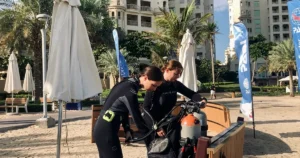
- Assembling and donning scuba equipment
- Buoyancy control
- Emergency ascent
- Mask and regulator clearing
- Buddy breathing drills
This structured process ensures that when you complete your training, you’re not only certified but confident in your ability to dive safely anywhere in the world.
Enroll in a Trusted Open Water Diving Course
If you’re considering where to take your first plunge, look no further than a certified open water diving course at Nemo Diving Center in Dubai. Whether you’re a first-timer or refreshing your skills, the center offers comprehensive instruction tailored to individual learning speeds and real-world diving conditions.
With modern training facilities, experienced instructors, and a prime location on Jumeirah Beach, Nemo Diving Center is the go-to place for a safe and unforgettable underwater experience.
Ready to Dive In?
The ocean is calling—and now, you know what it takes to dive safely. By mastering the safety protocols taught in every open water diving course, you’re not just earning a certification—you’re becoming part of a global community of responsible divers.
If you’re ready to start your scuba journey or have questions about enrolling in a course, contact us today and take the first step toward an underwater adventure you’ll never forget.
Final Thoughts
Safety is the heartbeat of scuba diving. From the moment you strap on a mask to your final ascent, the skills you learn in your PADI open water course are what allow you to explore the underwater world with confidence and peace of mind.
Whether you’re diving in the calm reefs of the Red Sea or the bustling waters of Dubai, these foundational practices stay with you for life—guiding your dives, protecting your health, and deepening your love for the ocean.
So dive smart. Dive safe. And most of all—dive often.