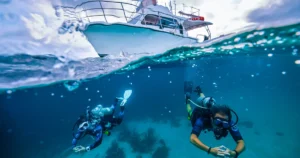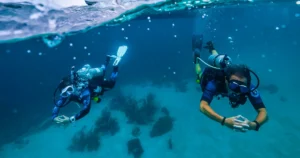
Scuba diving is an incredible and rewarding activity that offers a unique opportunity to experience the underwater world. However, for people who are new or have not yet experienced scuba diving, a load of misinformation can prevent them from trying scuba diving. By separating fact from fiction, more people can be encouraged to enjoy plunging into this fascinating realm.
Myth #1: To Be a Diver, You Need To Be An Olympic Swimmer.

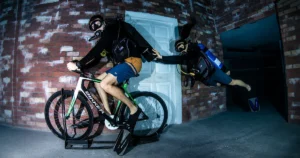
Fact: One of the frequently asked questions in scuba diving is, “Do you need to know how to swim to learn scuba diving?”. Being comfortable in the water is essential for scuba diving Dubai, but you don’t have to be a world-class diver to begin your dive journey. Basic swimming skills are enough to enroll in a beginner course like PADI Open Water Diving and get your first certification. To demonstrate your basic swimming skills, you may be asked by your instructor to swim 200 meters/yards without stopping, using your preferred swimming stroke. Or you may be asked to swim 300 meters/yards using a mask, snorkel, and fins.
This PADI swim test has no time limit, so there’s no pressure to rush. Another crucial part of the test is being able to float and tread water for ten minutes. Treading is an important skill, especially when you need to stay afloat on the surface while waiting for your boat or communicating with your dive buddy. The ability to tread comfortably enables you to stay relaxed without struggling to keep your head above the water, thus conserving energy.
Myth #2: Deep Diving is Dangerous.
Fact: Each level of recreational scuba diving has certain depth limits designed for safety. Divers are trained to stay within the limits of their certification for safety. Beginners usually explore relatively shallow sites and venture to deeper waters as they move forward in their dive journey. Advanced certified divers can enroll in a Deep Sea Diving Dubai specialty course to gain the necessary knowledge and skills to explore deeper dive sites like wrecks.
Myth #3: You Can Easily Run Out of Air When Scuba Diving.
Fact: During your dive course training, you are taught how to read and check your air pressure gauges so you can monitor your air supply as well as your buddy’s during actual dives. You will also learn how to use a dive computer, a crucial tool that indicates how much time you can stay at your current depth before you need to begin your ascent. As a certified diver, you’ll be trained to prevent the risk of running out of air, allowing you to explore the underwater world safely.
Myth #4: Divers Are Prone to Shark Attacks.
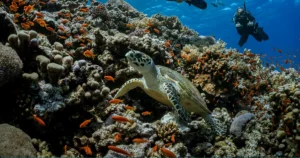
Fact: Sharks are often feared for being dangerous creatures and have a reputation for devouring anything in their way. Contrary to their fearsome reputation, sharks rarely attack humans. According to the World Wildlife Fund (WWF), there are more than 400 varieties of shark species, and the majority of them feed on fish, squid, clams, and other invertebrates. Most shark species are shy and avoid confrontation by swimming away from divers. Reputable dive centers Dubai, like Nemo Diving Center, teach divers to respect the underwater world and marine life. Divers are taught to stay calm and avoid making sudden movements that can disturb or attract the attention of sharks. Moreover, good buoyancy control and maintaining a safe distance from sharks and other marine creatures allows them to behave naturally and not feel threatened by the presence of divers. In addition, divers are taught to avoid obstructing the path of sharks to allow them to come and go as they please.
Myth #5: You’ll Get “The Bends” (Decompression Sickness).

Fact: Decompression sickness, also called “the bends,” is a condition that occurs when nitrogen bubbles form in your blood and tissues, often due to rapid ascents. According to WebMD, mild symptoms may include fatigue and muscle and joint pains. While severe symptoms may include tingling, numbness, tremors, dizziness, weakness in the arms or legs, breathing difficulties, chest pains, and unsteadiness. Decompression sickness should not be taken lightly because it can be life threatening.
Decompression sickness is highly preventable. Divers are trained to ascend slowly, go through proper safety stops, and stay within their limits to prevent this condition. You can read this blog to know how to prevent decompression sickness. With proper training and discipline, divers have a low-risk of suffering from the “the bends”.
Myth #6: Scuba Diving is Very Costly.
Fact: Nemo Diving Center offers comprehensive and affordable scuba diving Dubai courses. Check out our scuba diving Dubai deals to know more about our wide range of certification courses. As you continue your dive journey, you may want to invest in some personal gear. While the initial cost can be significant, owning your equipment saves you money in the long run by eliminating rental fees.
Conclusion
Scuba diving is a fascinating way to see and explore the underwater realm, but misinformation can discourage people from taking the plunge. By debunking top scuba diving myths – from the misconception that you need to be an Olympic swimmer to getting the bends – aspiring divers can separate myths from facts and be inspired to begin their dive journey.