You don’t need a tank on your back to see what makes snorkeling Fujairah worth the trip. Several of the emirate’s best reef spots sit shallow enough to explore with just a mask, snorkel, and fins, which makes Fujairah one of the more accessible marine destinations in the UAE for non-divers, families, and anyone who wants to see coral and fish without a certification course. Here’s where to go and what you’ll actually see.
Snorkeling Fujairah: Why It Works So Well
Fujairah’s position on the Gulf of Oman, rather than the shallower and often murkier Arabian Gulf, gives it noticeably better water clarity, a real advantage for snorkelers, since visibility matters even more when you’re viewing a reef from the surface rather than swimming directly alongside it. Several sites also have shallow reef flats close to shore, meaning strong swimming ability isn’t a prerequisite the way it might be at deeper dive-only locations.
Best Snorkeling Spots in Fujairah
Snoopy Island
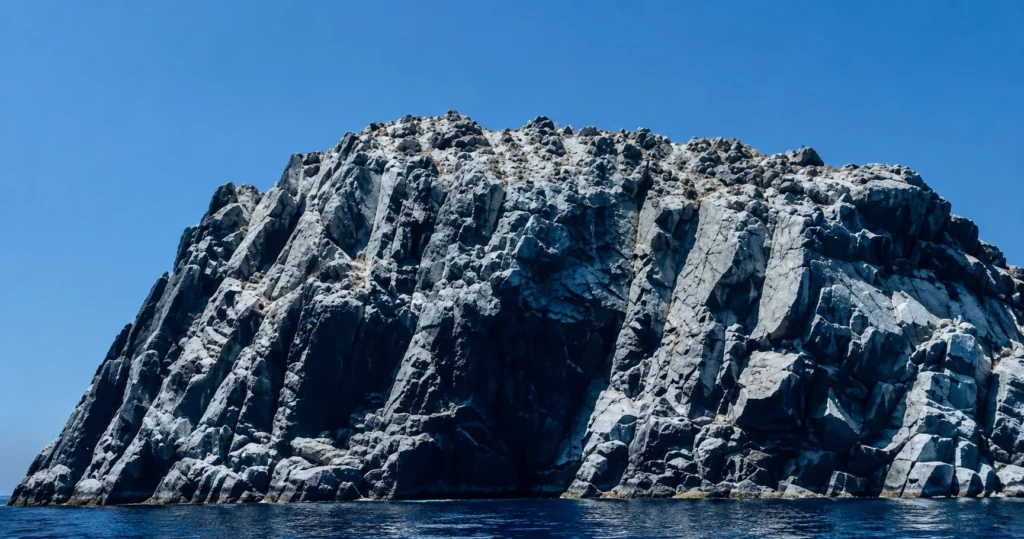
Named for its distinctive rock formation, Snoopy Island is Fujairah’s best-known snorkeling destination. Its shallow reef flats sit close to shore, with coral coverage dense enough to support a genuinely rewarding variety of reef fish. This is the go-to spot for first-time snorkelers and families.
Dibba Reef Flats
Closer to Nemo Diving Center’s Dibba Al-Fujairah branch, the shallow reef areas near Dibba offer a quieter, less crowded alternative to Snoopy Island, with similar marine life and easy shore or short-boat access.
Sites Near Dibba Rock
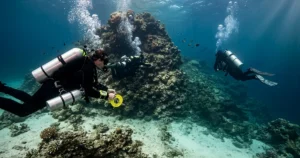
While Dibba Rock is primarily known as a dive site, its shallower fringes are snorkelable in calm conditions, giving snorkelers a chance to see some of the same soft coral and reef fish that divers encounter at depth.
What You’ll See While Snorkeling in Fujairah
- Coral formations: soft coral gardens in shallow, sunlit water are often more vividly colored than deeper reef sections
- Reef fish: parrotfish, damselfish, and butterflyfish are common in shallow snorkeling zones
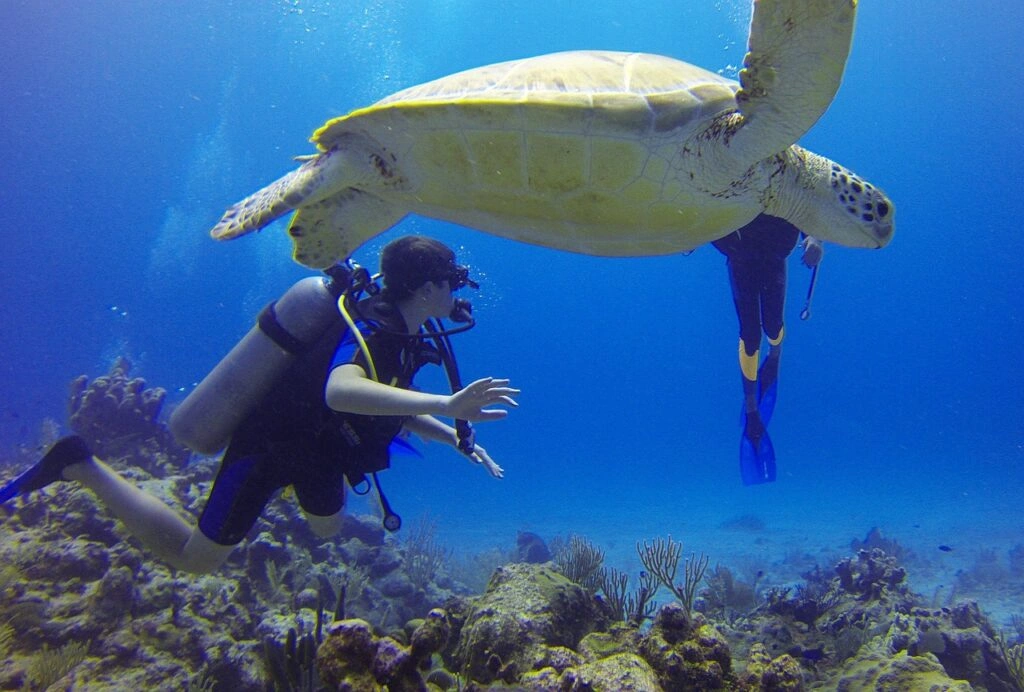
- Sea turtles: green and hawksbill turtles are occasionally spotted even in shallow water near Snoopy Island
- Small reef invertebrates: sea cucumbers, starfish, and anemones are frequently visible in calmer shallow patches
For the fuller range of marine life across Fujairah’s dive and snorkel sites, including seasonal sightings like whale sharks, read Marine Life Fujairah Coral Reef: Whale Sharks, Turtles & Rays.
Snorkeling Tips for Beginners
- Wear a rash guard or reef-safe sunscreen, hours floating face-down in the sun burns faster than you’d expect
- Practice breathing through a snorkel in shallow water before heading to deeper reef sections
- Never touch or stand on coral, it’s a living organism and can be damaged by contact
- Snorkel with a buddy, and stay aware of boat traffic near shore access points
- A flotation vest is a good idea for less confident swimmers or younger children
Family Snorkeling Trips
Fujairah’s shallow, sheltered reef spots make it a genuinely practical destination for family trips where not everyone in the group dives. A typical family snorkeling outing includes a guided boat trip to a shallow reef site, in-water supervision, and enough time to spot reef fish, coral, and with some luck a turtle or two, all without the training or equipment commitment of scuba diving.
If some members of your group are certified divers and others aren’t, this is one of the easiest ways to keep everyone in the water together. For divers in your group who want a deeper look at the same waters, our full destination guide covers everything from dive sites to trip logistics: Diving in Fujairah: The Complete Guide (Dibba Al-Fujairah Branch).
“A perfect snorkeling day in the Gulf of Oman, made unforgettable by the skill and friendliness of our instructor, Hassan… we encountered vibrant [reef], turtles and coral formations.” — Alberto C., Google Reviews
Snorkeling vs. Diving: Which Should You Choose?
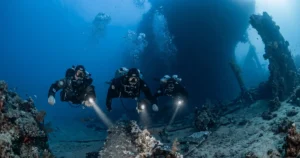
If you want to see coral and fish without any training and don’t mind staying near the surface, snorkeling is the simpler option. If you’re drawn to deeper reef structure, wrecks, or the chance of encountering pelagic life like rays and reef sharks, diving opens up considerably more of what Fujairah’s waters have to offer, and the entry point, Discover Scuba Diving in Fujairah, doesn’t require prior certification either.
Frequently Asked Questions
Where is the best place to snorkel in Fujairah?
Snoopy Island is the most popular and well-known snorkeling spot, thanks to its shallow reef flats and dense coral coverage close to shore. The reef flats near Dibba offer a quieter alternative with similar marine life.
Do I need to be a strong swimmer to go snorkeling in Fujairah?
Not necessarily, several sites have shallow reef flats accessible to moderate swimmers, and flotation vests are commonly available for less confident swimmers or children.
What marine life can I see snorkeling in Fujairah?
Common sightings include soft coral gardens, reef fish like parrotfish and butterflyfish, sea turtles, and small invertebrates such as sea cucumbers and starfish in shallow, sunlit water.
Is snorkeling in Fujairah suitable for kids and families?
Yes, several shallow, sheltered reef spots are well suited to family trips, letting non-diving family members join the same outing as certified divers.
Can I snorkel at Fujairah’s dive sites like Dibba Rock?
The shallower fringes of some dive sites, including parts of Dibba Rock, are snorkelable in calm conditions, though deeper sections are better suited to scuba diving.
What should I bring for a snorkeling trip in Fujairah?
A mask, snorkel, fins, reef-safe sunscreen or a rash guard, and a flotation vest if needed. Most operators can also provide rental equipment if you don’t have your own.