Introduction: A Timeless Tradition
Why Is Pearl Diving Important in the UAE? Pearl diving has been a cornerstone of Emirati heritage for centuries. Before oil, the Gulf’s natural pearls were the heart of the economy, backbone of families, driver of trade, and pillar of society. In today’s UAE, diamond-studded skyscrapers and booming tourism lie in stark contrast to this humble past, but the legacy endures. Even now, pearl diving anchors the nation’s cultural identity. And for travelers seeking more immersive experiences, scuba diving UAE isn’t just a way to dive deeper, it’s a way to connect with history.
Through this article, we’ll explore:
- The historical roots and importance of pearl diving
- The socio-economic impact on Emirati communities
- How traditions morph into modern-day diving tourism
- Why pearl diving matters today, culturally, economically, environmentally
- How you can book trip to experience a genuine glimpse into this legacy and why you should contact us for planning.
1. Pearl Diving Through History
1.1 Ancient Precedence
The Gulf’s warm, shallow waters have harbored oysters for millennia. As far back as antiquity, pearls were prized across Asia, Europe, and Africa. In the Gulf, pearls symbolized wealth and beauty. Yet it was during the 18th and 19th centuries that pearl diving became absolute livelihood for coastal Emiratis, as demanding a profession as it was rewarding.
1.2 The Pearl Economy
Pearls then the “white gold” were UAE’s main export. Crews of divers, buoys, sailors, and merchants formed an entire industry. Diving expeditions could last weeks. It was perilous: free-diving to 20–30 meters, loading heavy oysters, navigating unpredictable seas under the scorching sun. Divers often repeated dives for hours. Every successful haul fueled families, towns, and expanding trade partnerships with India, Europe, and beyond.
1.3 Raw Wealth And Sociopolitical Influence
Trade wealth empowered sheikhs and helped unify the Trucial States. Pearling revenues funded government functions, communal projects, and infrastructure. Fishing villages grew, souks thrived. Pearl diving shaped governance making it a foundation of Emirati civilization.
2. The Sociocultural Legacy
2.1 Community & Identity
Pearl diving wasn’t practiced in isolation it built communities. Villages along Ras al-Khaimah, Umm al-Quwain, and Sharjah thrived. Diving seasons lasting September to May became social rhythm markers, with festivals, gatherings, prayers, and tribute to the sea. And the sahla, a traditional boat, evolved culturally into a symbol still celebrated in poetry, songs, dances.
2.2 Oral Traditions & Art
Generations maintained knowledge orally how to read currents, where oysters breed, how to treat diving illnesses. Tales of daring divers, sea spirits, storms today form the basis of Emirati folklore. Pearl diving imagery persists in art, handicrafts, carpets serving as a living thread connecting the past and present.
2.3 Gender And Generational Ties
While divers were primarily men, pearl diving affected entire families. Women supported through shore-based activities: boiling oysters, sorting pearls, selling them. The economics of the industry created interdependent roles a cohesion that defined Emirati societal structure.
3. Economic Transformation & Diversification
3.1 Oil’s Rise and Pearl Decline
The 1930s brought cultured pearls from Japan, and oil in the 1950s destroying the natural pearl economy. Many divers shifted to the oil industry. The pearling fleets vanished, along with the risks and poverty, but along with an elemental piece of Emirati identity.
3.2 Reviving Cultural Heritage
Fast forward to the 21st century: The UAE began restoring heritage through museums, festivals, protected dive zones, and live re-enactments. Sites like Al Zorah Pearl Factory in Ajman allow visitors to see the processing of pearl oysters. Ras Al Khaimah resurrected its Pearl Museum. The tradition is being actively preserved an anchor for national identity and for tourism.
3.3 Tourism & Cultural Economy
Pearl heritage attracts travelers curious about authentic Emirati life seeking more than modern indulgence. Heritage sites, guided tours, even apprenticeship programs help generate income and provide local employment. Pearling has become a tool for place-making and cultural tourism.
4. Pearl Diving and Modern-Day Diving Tourism
4.1 Link to Scuba Diving UAE
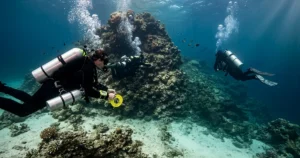
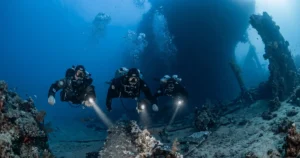
While traditional freediving still exists in cultural demonstrations, modern aqua enthusiasts prefer scuba diving UAE experiences. These excursions offer chances to visit reefs, explore wrecks, and even dive to old pearling sites underwater. Through seaside education, travelers learn how pearl divers used to free-dive now juxtaposed with scuba gear.
4.2 Scuba Dive Dubai & Dubai Scuba Diving
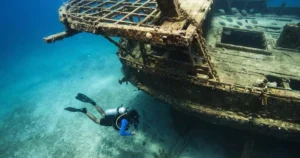
Dubai, world-renowned for its urban wonders, also offers amazing underwater experiences. From scuba dive Dubai packages to training courses for beginners, the city has emerged as a dive hub. Guided by licensed instructors, you can explore coral reefs off Jumeirah, explore wrecks like Sisters’ Islands or cruise liners sunk for marine habitats while learning about pearl-diving history narrated along the way.
4.3 Combining Heritage and Adventure
A powerful tourism package in the UAE combines:
- Historical narration of pearling traditions
- Museum visits to see pearl tools & pearls
- Traditional boat rides on sahlas
- Freediving demonstrations mimicking old pearl divers
- Diving excursions to neighboring coral reefs
Many operators such as Nemo Diving Center offer immersive packages. You can book trip combos that include a dive lesson, shore walk through heritage museums, and freediving friends.
4.4 Economic Impact of Diving Tourism
Scuba diving in Dubai injects millions into the local economy. Tourists stay longer, eat more, and spend at dive shops. Local guides, film crews, gear suppliers benefit. Sustainable tourism creates jobs and reinforces regional empathy with cultural preservation.
5. Why Pearl Diving Still Matters Today
5.1 Cultural Preservation and National Identity
Even with skyscrapers and global brands, the UAE prides itself on its roots. Pearl diving recalls courage, survival, and communal bonds. This is why children learn about it in school. Museums host interactive exhibits. Cultural sites host diving reenactments. It’s a living tradition.
5.2 Educational Benefits
Experiential learning through freediving displays and scuba lessons teaches about:
- Marine ecosystems and the roles of oysters
- Importance of tidal and current safety
- Physical endurance—then and now
Divers still face currents, breathing pressure, buoyancy challenges—revealing what traditional divers conquered daily. It’s a powerful way to connect past and present underwater.
5.3 Sustainability and Environmental Awareness
Pearl oysters depend on clean seas. Cheap cultured pearls wiped out much harvesting, revealing the sensitivity of the ecosystem. Today, pearl sites are often marine protected zones. Dive tourism promotes awareness of:
- Coral reef health
- Water quality
- Overfishing threats
By promoting pearling history through scuba dive Dubai trips, providers reinforce conservation ethics inviting guests to protect not just reefs, but cultural memory.
5.4 Diversifying the Economy
Tourism is vital to national diversification. By leveraging cultural heritage, the UAE attracts high‑value and deep‑engagement travelers. Dive tourism—from freediving to scuba diving in Dubai, and even pearl-themed cruises—expands options beyond beach lounging, shopping and nightlife.
5.5 Symbolic Endurance & Global Image
Host to Expo 2020 and many global initiatives, the UAE highlights its modernity, but balances it with rooted identity. Celebrating pearl diving conveys humility, resilience, connection to nature. That helps tell a nuanced story: this is not just a global city, but a nation forged by fishermen and divers too.
6. The Role of Dive Operators: Anchoring History Underwater
6.1 Seamless Integrations: From Heritage to Diving
Operators like Nemo Diving Center blend history with adventure. When you book trip through them, your scuba diving UAE tour includes:
- An introduction to pearl diving history
- Viewing traditional boats sahlas and diving gear
- Freediving once by locals, now supplemented by scuba gear
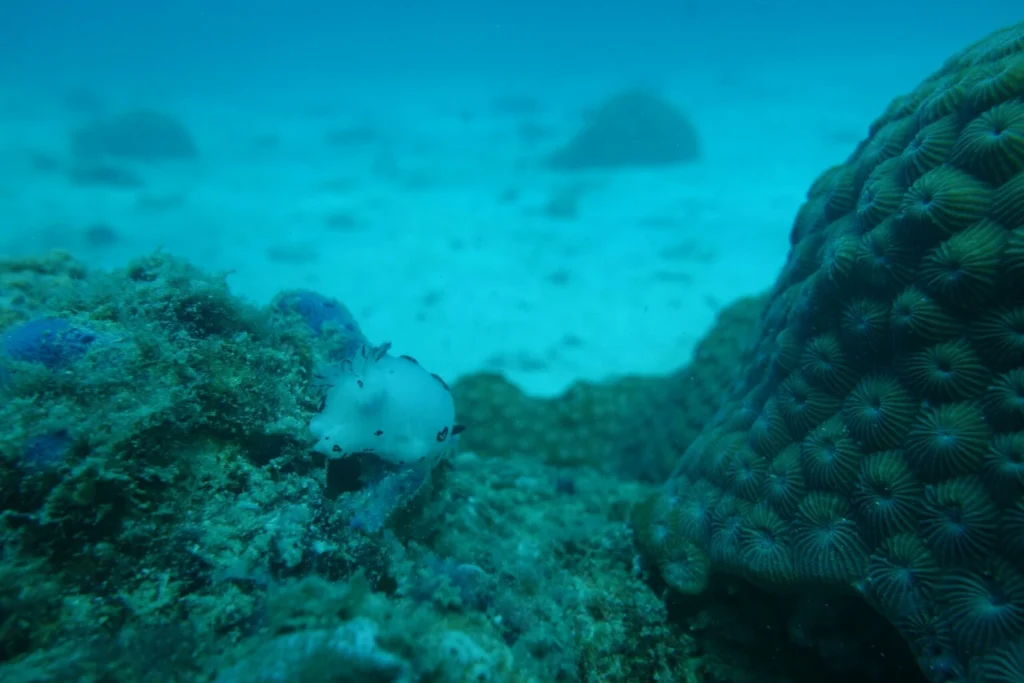
- Guided underwater tours, identifying oyster beds and coral communities
These experiences enrich scuba diving by placing it within a living cultural frame.
6.2 Quality, Safety, and Education
To deliver authentic experiences, operators ensure:
- PADI/SSI-certified instructors
- Proper dive and freedive equipment
- Educational briefings on local maritime ecology and history
- Storytelling sessions about famous divers, storms, and historical pearls
Customers don’t just dive they narratively time-travel. And if you want to turn interest into planning, simply contact us, and our team will arrange everything from permits to dive packages.
7. Modern Pearl Diving Events & Festivals
7.1 Ras Al Khaimah Pearl Festival
An annual event celebrating heritage. Features reenacted dives, heritage souks, exhibitions of pearl jewelry, live music, traditional boat trips. Hundreds of participants Emirati families, tourists, craftspeople gather to relive history.
7.2 Dubai and Sharjah Heritage Weeks
Both emirates host annual weeks honoring maritime traditions, including pearl diving–themed events like:
- Living museum displays
- Oyster opening demos
- Mini-boat–building workshops
- Children’s storytelling sessions
Often, dive operators offer scuba diving in Dubai combo packages to coincide with these festivals.
8. How to Book Your Pearl & Dive Experience
8.1 Choose Your Theme
Decide whether you want:
- Heritage‑heavy: shore visits, boat trips, freediving demos, museum tours
- Adventure‑heavy: scuba dive Dubai coastal reefs and wrecks with a nod to pearl history
- Balanced packages: museum + freedive + scuba dive + cultural lunch
8.2 Use a Licensed Operator
Select experienced providers like Nemo Diving Center. They offer seamless services everything in one package. After you book trip, expect:
- Pre-trip briefing: local history + safety focus
- Freediving demo (option)
- Live narration onboard about classic pearl divers
- Scuba dive(s) in calm reefs or wreck sites
- Post-dive cultural wrap-up and field Q&A
8.3 Gear & Certification
Most dive packages include gear. If you’re new, you can combine with Open Water certifications. If you just want a one-day experience, choose guided fun dives no certification required. Still, everyone visits the same underwater pearl‑rich environment.
8.4 Best Times to Plan
Pearl season traditionally runs September–May. Scuba diving is good year-round, but winter months (November to March) offer the most comfortable temperatures and visibility. Festival events usually align with this period perfect for combined cultural immersion and diving.
9. Traveler Testimonials
“I had no idea pearl diving was part of Dubai’s DNA then I went on a scuba dive tour that began with freediving story‑telling and ended exploring real oyster beds. It was magical.” — Recent diver from Europe
“Booking the heritage + scuba package was the best part of our UAE trip. We saw corals, learned about divers who risked their lives centuries ago it felt immersive.” — Family traveler from India
Testimonials like these highlight how tourists not only enjoy underwater beauty but also leave with a deep sense of connection to Emirati history.
10. Why Every Dive Matters
10.1 Respecting the Past
Every dive package honoring pearl‑diving traditions is a tribute to a way of life lost. It preserves techniques, honors sacrifices, and maintains local pride.
10.2 Encouraging Responsible Tourism
Scuba diving UAE tours often emphasize sustainable practices no anchor dropping, reef-safe sunscreen, oyster conservation zones. You’re helping safeguard history and the ocean.
10.3 Boosting the Economy
Each tourist who learns about pearling supports local businesses museums, storytellers, dive guides, cafés. Diversifying income creates more robust communities.
10.4 Educating the Next Generation
As residents and visitors engage, they absorb stories. That keeps regional identity alive across expatriate families and tourists—an intangible yet powerful export.
Conclusion: Join the Legacy
Pearl diving’s importance in the UAE is undeniable wedged deeply into history, culture, and identity. From centuries of seafaring labor to today’s luxury skyline, that legacy shaped the nation.
Now, combined with scuba diving in Dubai, it’s not just nostalgia it’s a living experience. Whether you’re an adventure seeker, culture lover, or history buff, diving in UAE’s waters lets you descend into the past while gazing toward the present.
If you’re ready to dive beneath the surface both literally and culturally to experience coral, oysters, and ages-old tradition:
- Book your trip now and get exclusive heritage + scuba combos
- Contact us to plan your custom experience
Come dive where Emirati traditions meet the modern world.